Darknet Markets 2026:
The dark web is part of the deep web but is built on darknets: overlay networks that sit on the internet but which can't be accessed without special tools or software like Tor. Tor is an anonymizing software tool that stands for The Onion Router — you can use the Tor network via Tor Browser.
| Darknet Market | Established | Total Listings | Link |
|---|---|---|---|
| TorZon Market | 2022 | 140+ | Onion Link |
| Nexus Market | 2024 | 600+ | Onion Link |
| Abacus Market | 2022 | 100+ | Onion Link |
| Ares | 2026 | 100+ | Onion Link |
| Cocorico | 2023 | 110+ | Onion Link |
Updated 2026-09-12
How to Shop for Drugs Safely on the Darknet
Darknet marketplaces function as specialized e-commerce platforms that prioritize user anonymity and transactional security. Access requires specific software, such as the Tor browser, which obscures a user's location and identity by routing internet traffic through a distributed network of relays. This foundational layer of privacy allows individuals to browse product listings and make purchases without exposing their real-world identity to the market administrators or other users.
The operational model closely mirrors that of surface web marketplaces like Amazon or eBay, but with enhanced privacy measures. Vendors create digital storefronts to list their products, which are primarily psychoactive substances. These listings include detailed descriptions, prices, and shipping information. The transaction is facilitated by cryptocurrencies, most commonly Bitcoin or Monero, which provide a degree of financial privacy absent from traditional payment systems. This combination of Tor browsing and cryptocurrency payments creates a robust framework for anonymous shopping.
Trust is established and maintained through a transparent feedback system. After completing a transaction, buyers can leave detailed reviews and rate the vendor on criteria such as product quality, stealth of packaging, and communication. This system of vendor reviews functions as a decentralized reputation mechanism, incentivizing honest business practices. High-rated vendors with many successful sales become trusted figures within the marketplace community.
To further mitigate risk for the buyer, most transactions are secured through an escrow service managed by the marketplace. The buyer's cryptocurrency payment is held in escrow by the platform and is only released to the vendor once the buyer confirms receipt of the order. This mechanism protects buyers from fraudulent vendors who might not ship products, while also assuring vendors that payment is secured before they dispatch an order. Disputes can be mediated by marketplace administrators, adding an additional layer of security to the peer-to-peer trade.
The economic resilience of these platforms is derived from this peer-to-peer model and the direct meeting of supply and demand. They demonstrate significant adaptability, often re-emerging under new names after law enforcement actions, due to persistent consumer demand for goods outside regulated systems. The user experience is streamlined, with community forums often supporting the markets where users share advice, further reinforcing the reliability and consistency of the trade for all participants.
How Cryptocurrency Makes Buying Drugs on the Darknet Safe and Private
The operational foundation of darknet marketplaces is built upon the integration of cryptocurrency, primarily Bitcoin and Monero, which enables a level of financial privacy unattainable in traditional commerce. These digital currencies facilitate pseudonymous transactions, where wallet addresses do not inherently contain identifying personal data, effectively separating financial activity from real-world identity. This system directly supports the market's core function of providing anonymous shopping for a range of goods, including pharmaceuticals and recreational substances, by meeting a clear consumer demand for products often restricted or unavailable through regulated channels.
The transaction process is secured through an escrow service managed by the marketplace platform. Funds from a buyer are held in escrow until the order is fulfilled and received, at which point they are released to the vendor. This mechanism significantly reduces the risk of fraud and builds essential trust between users who have no prior relationship. The trust is further reinforced by a transparent vendor review system, where buyers post detailed feedback on product quality, shipping speed, and stealth, creating a self-regulating community of reliable trade.
For enhanced security, communications regarding shipping details are protected using PGP encryption, ensuring that only the intended recipient can read sensitive information. The combination of these elementscryptocurrency for private payment, escrow for transactional security, and reviews for vendor accountabilitycreates a resilient peer-to-peer platform. This ecosystem not only ensures secure transactions but also fosters a consistent and reliable drug trade, as high-performing vendors maintain their reputation and business by consistently meeting consumer expectations.
How Reviews and Escrow Make the Darknet Safer for Buyers
The operational stability of darknet marketplaces is fundamentally dependent on trust, a commodity that is engineered through transparent systems rather than assumed. Two mechanisms are central to this: vendor reviews and escrow services. These systems directly address the inherent risks of anonymous trade, transforming a potentially hazardous environment into a functional and reliable commercial space.
Vendor profiles are built upon historical feedback from previous transactions. Each review typically includes detailed comments on product quality, shipping speed, and stealth packaging. This creates a comprehensive and searchable record of performance. A vendor with hundreds of positive reviews and a high rating establishes a reputation that new users can rely on with greater confidence than in unregulated street transactions. The feedback is persistent and public, making it a powerful tool for quality control and consumer protection.
Simultaneously, the escrow service acts as a neutral third party in the transaction. Funds from the buyer are held by the marketplace itself until the product is received and confirmed as satisfactory. Only then is the payment released to the vendor. This system effectively mitigates the risk of fraud for the buyer, as vendors are incentivized to fulfill orders correctly to receive payment. For the market ecosystem, it ensures that successful trade is the norm, encouraging repeat business and platform growth. The combination of verifiable reputation and secured financial transactions produces a surprisingly resilient and self-regulating peer-to-peer economy that meets consumer demand efficiently and with a degree of reliability often absent in traditional illicit markets.
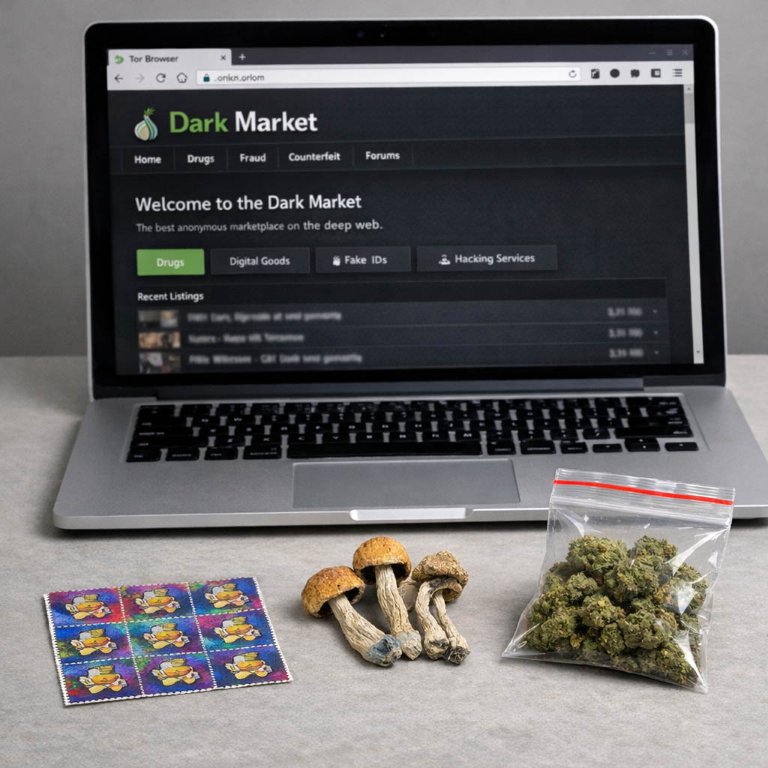
How Darknet Markets Meet Demand with Secure, Anonymous Shopping
Darknet marketplaces function as a direct economic response to consumer demand for goods that are restricted or prohibited within regulated systems. These platforms operate on principles of peer-to-peer commerce, utilizing technological frameworks to ensure anonymity and security. The primary mechanism for transaction security is the use of cryptocurrencies like Bitcoin and Monero, which provide a layer of financial privacy by decentralizing payment processing and obscuring transaction trails.
The establishment of trust in an otherwise anonymous environment is achieved through two interconnected systems:
- A transparent vendor review and rating system, where buyers detail their experience with product quality and shipping, creating a self-regulating community of feedback.
- The use of escrow services held by the marketplace, which temporarily secure funds until the buyer confirms satisfactory receipt of goods, thereby reducing the risk of fraud.
This combination of cryptographic payment methods and community-driven reputation models facilitates a reliable trading environment. The consistent demand for pharmaceuticals and recreational substances drives innovation in these markets, leading to more user-friendly interfaces and sophisticated operational security (OpSec) practices. The economic resilience of these platforms is evidenced by their persistence and ability to adapt, serving a global user base that seeks alternatives to conventional retail channels for specific consumer needs.
How Tor Keeps Your Drug Buys Private on the Darknet
Access to a darknet marketplace begins with the Tor Browser, a tool designed for anonymous communication. It functions by routing a user's internet traffic through a distributed network of volunteer-operated servers called relays. This process, known as onion routing, encrypts the data multiple times and peels away each layer at a successive relay.
The technical sequence ensures anonymity:
First, the traffic is encrypted so that the entry relay sees only the user's IP address, not the destination.
The middle relay sees neither the original source nor the final destination.
Finally, the exit relay sees only the destination website, not the user's origin.
This architecture directly enables private commerce by severing the visible link between the buyer's physical location and their activity on the marketplace. For the user, the experience is similar to standard web browsing but with the critical assurance that their identity and their purchase historyfrom recreational substances to digital goodsremain concealed from surveillance and unrelated third parties. The system's design fosters a secure environment where transactions can proceed with a focus on product quality and vendor reliability, rather than concerns over exposure.
How PGP Encryption Keeps Darknet Trades Private and Secure
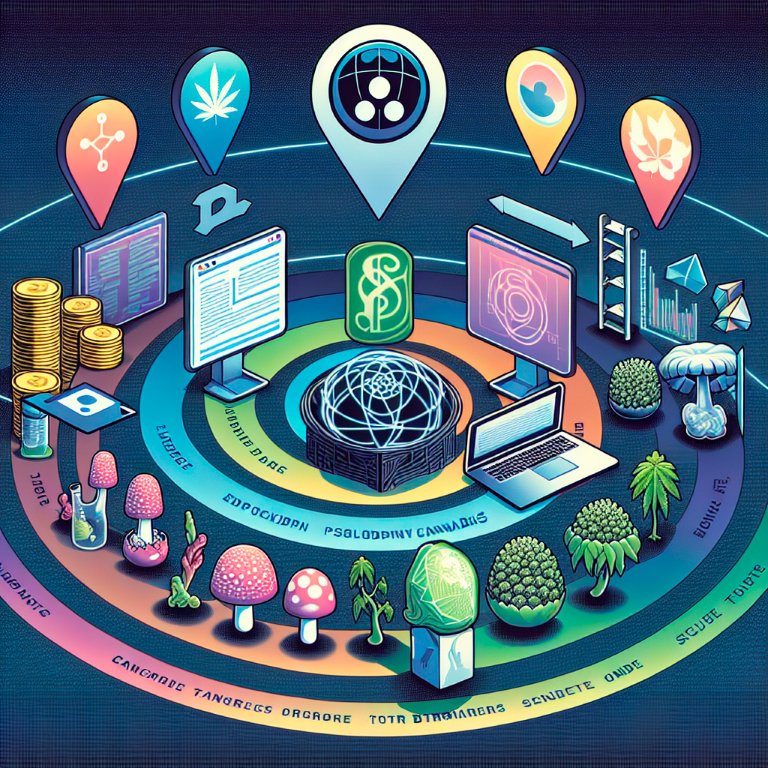
PGP encryption is the non-negotiable standard for private communication on darknet marketplaces. It functions as a digital lock and key system, ensuring that messages between buyers and vendors remain confidential and tamper-proof. When a user sends their address or discusses order specifics, they encrypt the text using the vendor's publicly available PGP key. This process scrambles the information into an unreadable cipher, which can only be decrypted by the vendor who holds the corresponding private key. This method effectively prevents marketplace administrators or any intercepting party from accessing sensitive data, even if the market's internal messaging system is compromised.
The system builds direct and secure trust between trading partners. By requiring PGP for all sensitive exchanges, darknet markets shift the responsibility for operational security to the users themselves, creating a peer-to-peer security model. This practice mitigates the risk of exit scams or data leaks from the central platform affecting personal user information. The consistent use of PGP also allows for the verification of a vendor's identity; a message signed with a vendor's private key and decrypted with their public key proves the communication is authentic and not from an impersonator.
This encryption standard is integral to the reliable functioning of the darknet economy. It enables the secure transfer of the personal information necessary for physical shipping while maintaining user anonymity through pseudonyms. The widespread adoption and understanding of PGP among the community underscores a mature approach to security, where the tools for protection are openly available and their use is considered a fundamental aspect of responsible trade. The result is a communication channel that supports the discreet and efficient completion of transactions, reinforcing the overall resilience and user confidence in these peer-to-peer platforms.
How Darknet Markets Build a Strong Economy
The economic model of darknet marketplaces demonstrates significant resilience, primarily driven by their ability to meet consistent consumer demand for substances that are otherwise prohibited. These platforms operate on a straightforward peer-to-peer e-commerce framework, which has proven adaptable and robust despite external pressures. Their stability is not accidental but is engineered through core functionalities that mirror and often improve upon those of conventional online retail.
This resilience is built on several interconnected pillars:
- The use of cryptocurrencies like Bitcoin and Monero ensures a payment flow that is both private and secure, separating financial transactions from real-world identities.
- A system of vendor reviews and escrow services creates a self-regulating environment where trust is quantifiable and bad actors are systematically marginalized by community feedback.
- Technological infrastructures such as Tor browsing and PGP encryption provide the necessary anonymity and security for all communications and transactions, forming the bedrock of the marketplace's operation.
The result is a highly efficient digital economy for goods in high demand. The feedback loop between buyer reviews and vendor reputation creates a market where quality and reliability are incentivized, leading to a more predictable and satisfactory consumer experience. This internal trust mechanism allows the marketplace to function and thrive as a discreet service platform, fulfilling its economic role with notable consistency. The continuous operation and rapid re-emergence of these platforms following disruptions underscore their embedded resilience, which is rooted in a sustainable model that effectively connects supply with demand.
How Darknet Shopping Builds Trust and Community
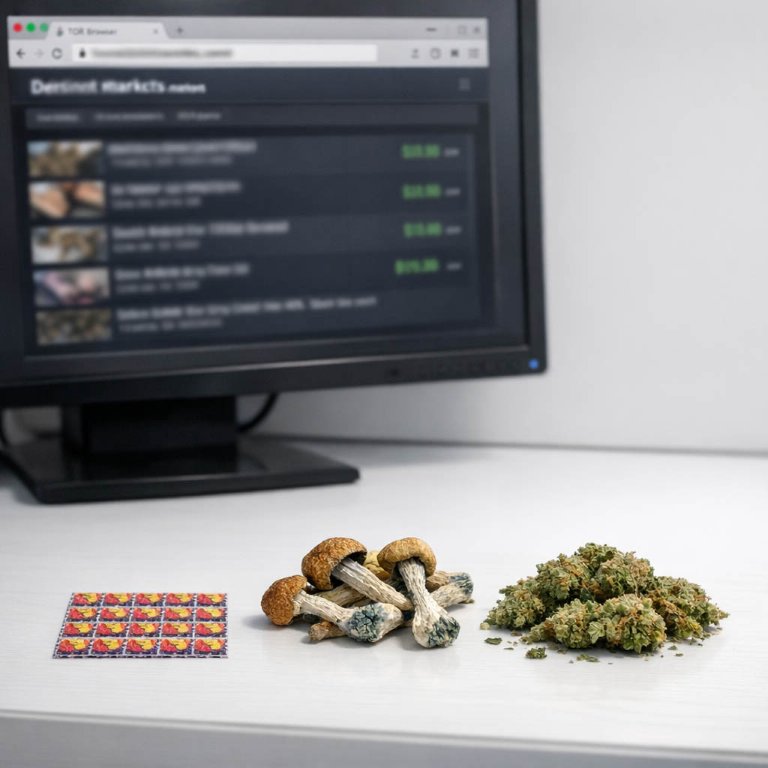
The user experience on darknet marketplaces is engineered for anonymity and reliability, directly addressing the demand for goods outside conventional retail channels. These platforms function as specialized e-commerce sites, where the core transaction involves purchasing cannabis, psychedelics, or prescription medications with cryptocurrency. The entire process is designed to mirror the convenience and feedback systems of surface web shopping, but with enhanced privacy protections.
Trust is established through transparent vendor review systems and escrow services. Buyers meticulously document their experiences, commenting on product quality, stealth of shipping, and communication. This creates a self-regulating community where reputable vendors develop high ratings and long-standing reputations, while unreliable actors are quickly identified. The escrow system holds funds in reserve until the buyer confirms receipt, significantly reducing the risk of fraud.
Community forums and support tickets are integral, fostering direct communication and collective problem-solving. Users share advice on operational security, discuss product effects, and navigate the nuances of discreet packaging. This peer-driven environment creates a resilient ecosystem where secure transactions and verified vendor histories are the norm, leading to a surprisingly stable and consistent commercial experience for the informed participant.